


As discussed in our previous guide about the first ten days of Dhul Hijjah, these blessed days are among the most important times of the year for Muslims. They are filled with opportunities for worship, gratitude, and spiritual growth. The celebration of Eid al-Adha comes as the beautiful conclusion to these sacred days.
Known as the “Festival of Sacrifice,” Eid al-Adha is celebrated by Muslims around the world after the completion of Hajj in Makkah. The day reminds believers of faith, obedience, generosity, and devotion to Allah through the Eid prayer and Qurbani sacrifice.
For Muslim families living in Western countries, Eid al-Adha is also an opportunity to strengthen Islamic identity, connect children with their faith, and build a stronger sense of community. At institutions such as Radiance Islamic Academy, many parents and students use this occasion to learn more about Islamic traditions and teach younger generations the true meaning of Eid.
The day begins with a special congregational prayer and is followed by the sacrifice of an animal, known as Qurbani or Udhiya, as an act of worship and charity.
What Is Eid al-Adha?
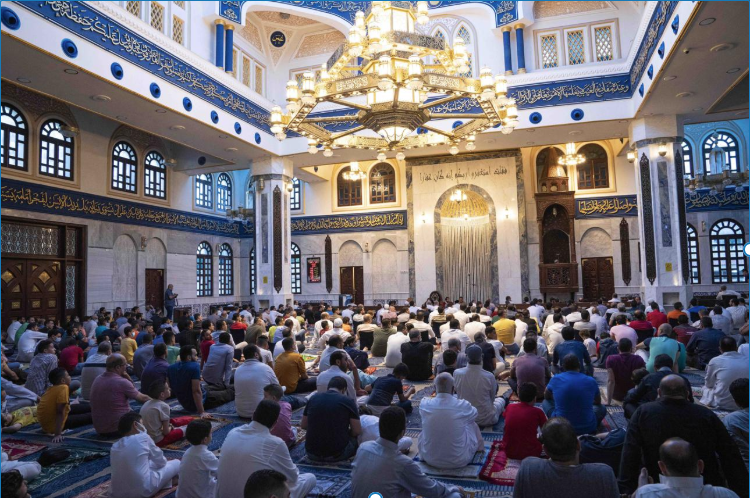
Eid is one of the most important celebrations in Islam. It is known as the “Festival of Sacrifice” and is celebrated by Muslims around the world after the completion of Hajj, the annual pilgrimage to Makkah.
For Muslims living in Western countries, Eid is not only a religious occasion but also an opportunity to strengthen faith, connect with family and community, and teach Islamic values to younger generations.
The day begins with a special Eid prayer and is followed by the sacrifice of an animal, known as Qurbani or Udhiya.
The Meaning Behind Eid al-Adha
al-Adha remembers the story of Prophet Ibrahim (Abraham), who showed complete obedience to Allah. According to Islamic tradition, Allah tested Ibrahim by commanding him to sacrifice his son. Ibrahim was willing to obey, but Allah replaced his son with an animal before the sacrifice took place.
This event teaches Muslims important values such as:
- Faith in Allah
- Obedience and trust
- Patience during difficult times
- Generosity and compassion
Today, Muslims honour this story through prayer, sacrifice, charity, and family gatherings.
The Eid al-Adha Prayer
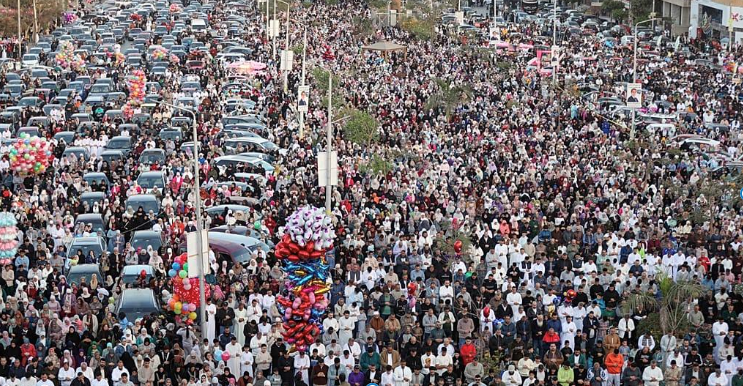
The Eid prayer is one of the main acts of worship on the morning of Eid al-Adha. Muslims gather in mosques, Islamic centres, parks, or open prayer grounds to pray together as a community.
When Is the Eid Prayer Performed?
The prayer usually takes place shortly after sunrise on the 10th day of Dhul Hijjah.
In many Western countries, local mosques and Islamic organisations arrange multiple prayer times to accommodate large communities.
How Muslims Prepare for Eid Prayer
Before going to the prayer, Muslims are encouraged to:
- Take a shower (Ghusl)
- Wear clean or new clothes
- Use perfume if possible
- Recite Takbeer on the way to prayer
- Arrive early
Common Takbeer phrases include:
Allahu Akbar, Allahu Akbar, La ilaha illa Allah, Allahu Akbar, Allahu Akbar, wa lillahil hamd.
What Happens During the Eid Prayer?
The Eid prayer consists of:
- A special congregational prayer
- Additional Takbeer phrases
- A sermon (Khutbah) after the prayer
The sermon usually reminds Muslims about faith, family, charity, sacrifice, and community values.
After the prayer, Muslims greet one another with phrases such as:
- “Eid Mubarak”
- “May Allah accept your good deeds”
What Is Qurbani (Udhiya)?
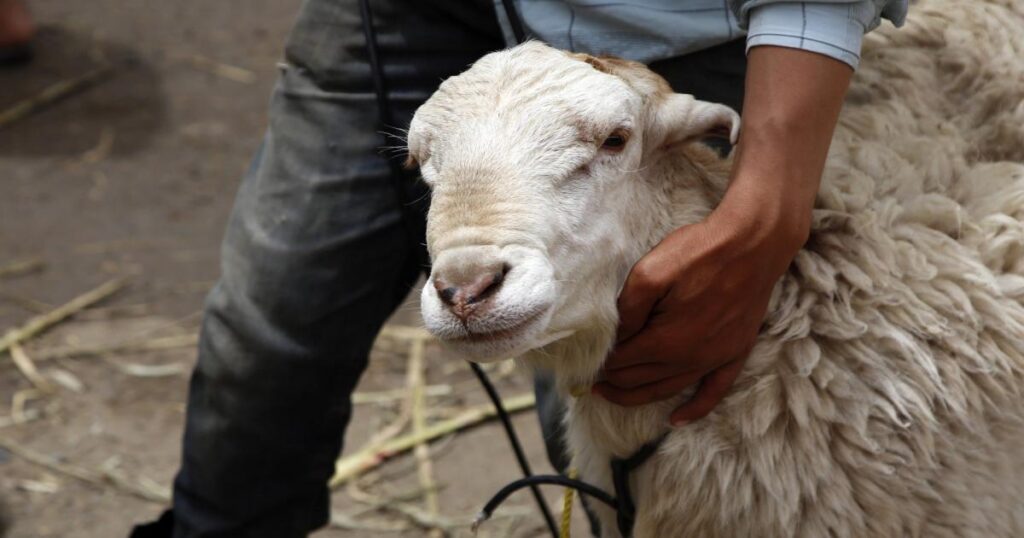
Qurbani, also called Udhiya, is the ritual sacrifice performed during Eid .
Muslims who are financially able sacrifice an animal such as:
- A sheep
- A goat
- A cow
- A camel
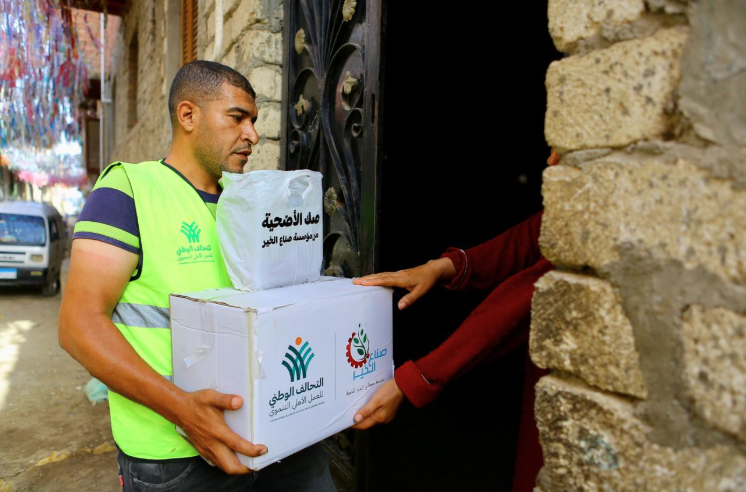
The meat is usually divided into three parts:
- One part for the family
- One part for relatives and friends
- One part for people in need
This practice teaches generosity, gratitude, and caring for others.
The Purpose of the Sacrifice in Islam
The sacrifice is not simply about meat or tradition. In Islam, the intention and sincerity behind the act are what matter most.
The Quran teaches that:
“It is neither their meat nor their blood that reaches Allah, but your piety.”
This means Eid al-Adha is ultimately about devotion to Allah and helping others.
Celebrating Eid al-Adha in Western Countries
For Muslims living in the West, Eid often includes:
- Community Eid events
- Family meals
- Charity projects
- Teaching children Islamic traditions
- Visiting friends and relatives
Many Muslims also use this occasion to explain Islamic values to non-Muslim neighbours, colleagues, and classmates.
Teaching Children About Eid al-Adha
Eid is an excellent opportunity for Muslim parents to teach children about:
- The story of Prophet Ibrahim
- The importance of prayer
- Charity and helping the poor
- Gratitude for Allah’s blessings
- Community and family values
Simple activities such as Eid gifts, decorations, and family gatherings can help children feel connected to their Islamic identity while growing up in Western society.
Final Thoughts
Eid is a beautiful reminder of faith, sacrifice, and compassion in Islam. Through the Eid prayer and Qurbani, Muslims strengthen their relationship with Allah while also supporting family, friends, and those in need.
Whether celebrated in a Muslim-majority country or within a Western community, Eid al-Adha remains a powerful expression of unity, gratitude, and devotion.
FAQ About Eid al-Adha
Eid is one of the two major Islamic holidays. It honours the obedience of Prophet Ibrahim (Abraham) and is celebrated with prayer, charity, family gatherings, and Qurbani sacrifice.
Eid takes place on the 10th day of Dhul Hijjah, the final month of the Islamic calendar, after the completion of Hajj.
The Eid prayer is a special congregational prayer performed on the morning of Eid al-Adha. Muslims gather in mosques or open prayer areas to pray and listen to the Eid sermon.
Most Islamic scholars consider the Eid prayer highly recommended, while some consider it obligatory for Muslim men who are able to attend.
Qurbani, also called Udhiya, is the ritual sacrifice performed during Eid al-Adha to remember Prophet Ibrahim’s devotion and obedience to Allah.
Qurbani is recommended for Muslims who are financially able to afford the sacrifice without hardship.
Common animals used for Qurbani include sheep, goats, cows, and camels, according to Islamic guidelines.
The meat is usually divided into three parts:
One part for the family
One part for relatives and friends
One part for people in need
Yes, many Islamic charities and organisations allow Muslims to arrange Qurbani online and distribute the meat to needy families around the world.
Muslims in Western countries celebrate Eid through prayer, family gatherings, community events, charity, and sharing meals with friends and neighbours.
Muslims commonly greet each other by saying:
“Eid Mubarak”
“May Allah accept your good deeds”
If you’re looking for more information about online Quran education, including Quran memorization, Tajweed, Noorani Qaida, and learning to read the Quran correctly, you can explore Qibla Academy, which offers online Quran learning programs with qualified teachers for students of different ages and learning levels.