


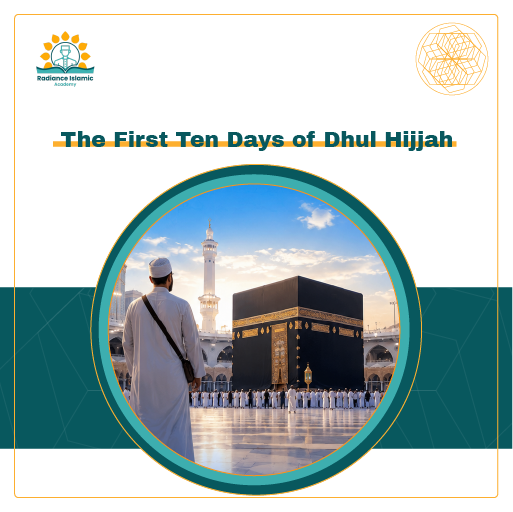
The first ten days of Dhul Hijjah are among the most blessed days in Islam. These special days hold great importance for Muslims around the world because they are filled with opportunities for worship, forgiveness, and spiritual growth. During these days, Muslims increase their prayers, fasting, charity, remembrance of Allah, and good deeds.
For many Muslims living in the West, these ten days are a chance to reconnect with faith, strengthen daily worship, and prepare for the joyful celebration of Eid al-Adha.
Why Are the First Ten Days of Dhul Hijjah Important?
Allah mentions these blessed days in the Quran in Surah Al-Fajr:
“By the dawn, and by the ten nights.”
Many Islamic scholars explain that “the ten nights” refer to the first ten days of Dhul Hijjah.
The Prophet Muhammad ﷺ also said:
“There are no days in which righteous deeds are more beloved to Allah than these ten days.”
This shows how valuable good deeds are during this period. Muslims are encouraged to make the most of these days through worship and positive actions.
Read more articles from Radiance
What Makes These Days So Special?
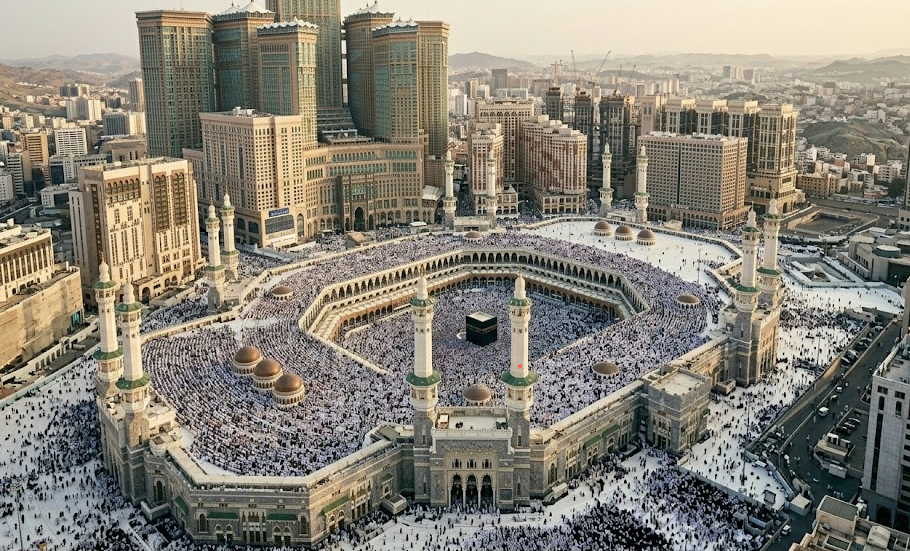
The first ten days of Dhul Hijjah are unique because many important acts of worship come together during them, including:
- Daily prayers
- Fasting
- Reading the Quran
- Dhikr (remembering Allah)
- Charity
- Hajj pilgrimage
- Qurbani (Udhiya sacrifice)
This combination of worship does not happen at any other time of the year.
Best Deeds During the First Ten Days of Dhul Hijjah
Increase Dhikr and Takbeer
One of the best ways to worship during these days is by remembering Allah frequently.
Common forms of Dhikr include:
- Saying “Allahu Akbar” (Allah is the Greatest)
- Saying “La ilaha illa Allah” (There is no god but Allah)
- Saying “SubhanAllah” (Glory be to Allah)
- Asking Allah for forgiveness
Muslims often recite Takbeer at home, in the mosque, and throughout the day during Dhul Hijjah.
A well-known form of Takbeer is:
Allahu Akbar, Allahu Akbar, La ilaha illa Allah, Allahu Akbar, Allahu Akbar, wa lillahil hamd.
Read more articles from Radiance
Fasting During Dhul Hijjah
Fasting during these days is highly recommended, especially on the Day of Arafah, which falls on the 9th day of Dhul Hijjah.
The Prophet ﷺ said that fasting on the Day of Arafah removes the sins of the previous year and the coming year.
For Muslims who are not performing Hajj, fasting on this day is considered one of the greatest acts of worship.
Read the Quran and Make Dua
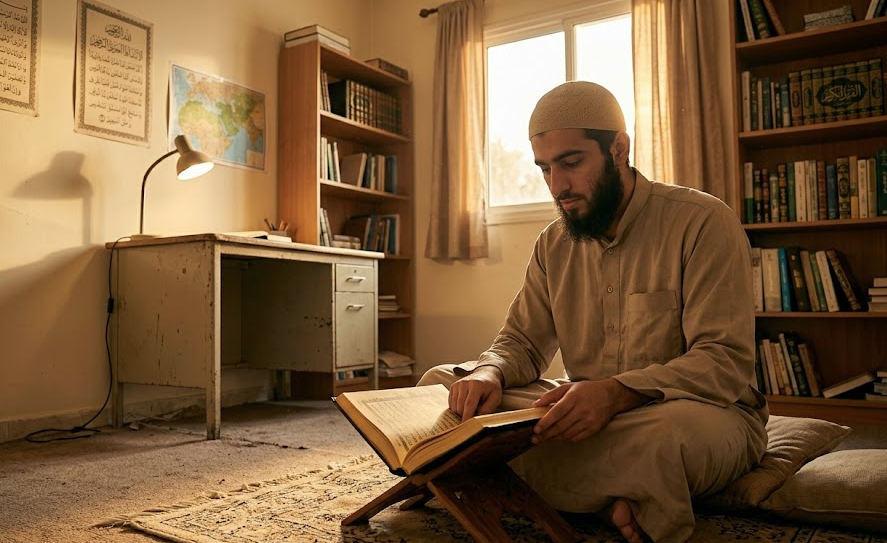
The first ten days are also an excellent time to:
- Read and reflect on the Quran
- Make sincere dua (supplication)
- Pray extra voluntary prayers
- Wake up for Tahajjud
- Increase repentance and gratitude
Even small daily acts of worship can have great rewards during these blessed days.
The Virtue of the Day of Arafah
The Day of Arafah is one of the holiest days in Islam. It is a day of mercy, forgiveness, and answered prayers.
Muslims are encouraged to spend this day:
- Making dua
- Seeking forgiveness
- Remembering Allah
- Fasting if they are not on Hajj
One of the best supplications to recite is:
“La ilaha illa Allah wahdahu la sharika lah, lahul mulk wa lahul hamd wa huwa ala kulli shay’in qadeer.”
Eid al-Adha and the Day of Sacrifice
The 10th day of Dhul Hijjah is Eid al-Adha, also known as the Festival of Sacrifice.
Muslims celebrate by:
- Performing the Eid prayer
- Offering Qurbani (sacrifice)
- Spending time with family
- Giving food to those in need
- Sharing happiness with the community
Eid al-Adha reminds Muslims of Prophet Ibrahim’s obedience and trust in Allah.
How Muslims in the West Can Benefit from Dhul Hijjah
Living in a busy Western environment can make worship difficult at times, but small consistent actions can make a big difference during Dhul Hijjah.
Here are simple ways to benefit from these blessed days:
- Pray all five daily prayers on time
- Read a few pages of Quran daily
- Give regular charity
- Fast when possible
- Make daily Dhikr
- Avoid sins and negative habits
- Spend more time with family and community
Final Thoughts
The first ten days of Dhul Hijjah are a powerful opportunity for Muslims to increase their faith and earn immense rewards. These days are a reminder that Islam encourages believers to grow spiritually through worship, kindness, gratitude, and devotion to Allah.
Whether you are performing Hajj or living far from Makkah, you can still gain the blessings of Dhul Hijjah through sincere worship and good deeds.